
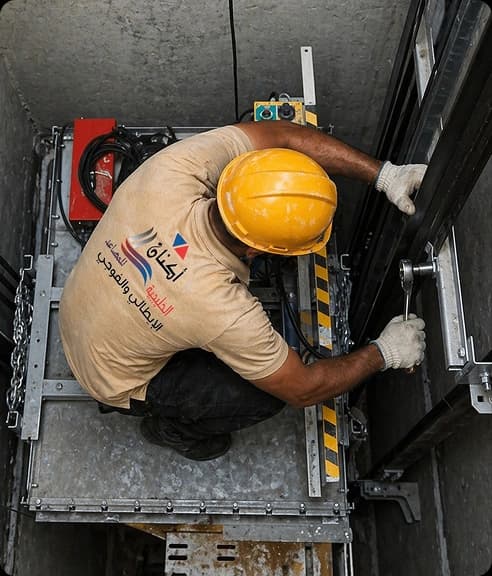
Maintenance needs a defined scope
A maintenance visit should produce a useful record, not only a signature. Ask how visits and findings are documented and what the agreement covers. Equipment, usage and site conditions differ, so the service arrangement should be defined for the actual elevator rather than assumed to be universal.
Read the inclusions and exclusions
Distinguish planned visits and fault reporting from replacement parts or additional repairs. Confirm how separately charged work is quoted and approved. Discuss the agreed response arrangements in writing; do not rely on an unspecified verbal promise or assume every type of repair is included.
Keep a clear service history
Keep visit dates, observations, recommendations and approved actions together. Repeated issues are easier to discuss when previous work is documented. The building manager should retain elevator identification and maintenance contact details, and coordinate qualified personnel’s access under the site’s procedures.
Report observations, not diagnoses
Describe what happened, when it happened, the floor involved and whether it repeats. Do not open the controller, enter the shaft or adjust equipment yourself. The technical cause and appropriate response must be assessed by qualified personnel, not guessed from a passenger’s description.
If the elevator stops with you inside
Use the alarm or available communication system to request help and follow qualified assistance. Do not force doors open or try to leave the cabin yourself. For an immediate health or safety emergency, contact the appropriate local emergency service; a WhatsApp enquiry is not an emergency response service.
Turn findings into clear decisions
Ask which findings need action, which need monitoring and what the proposed work includes. Repeated problems can justify a broader condition assessment to decide between repair and modernization. Maintenance supports informed care; it is not a guarantee that an elevator can never develop a fault.